


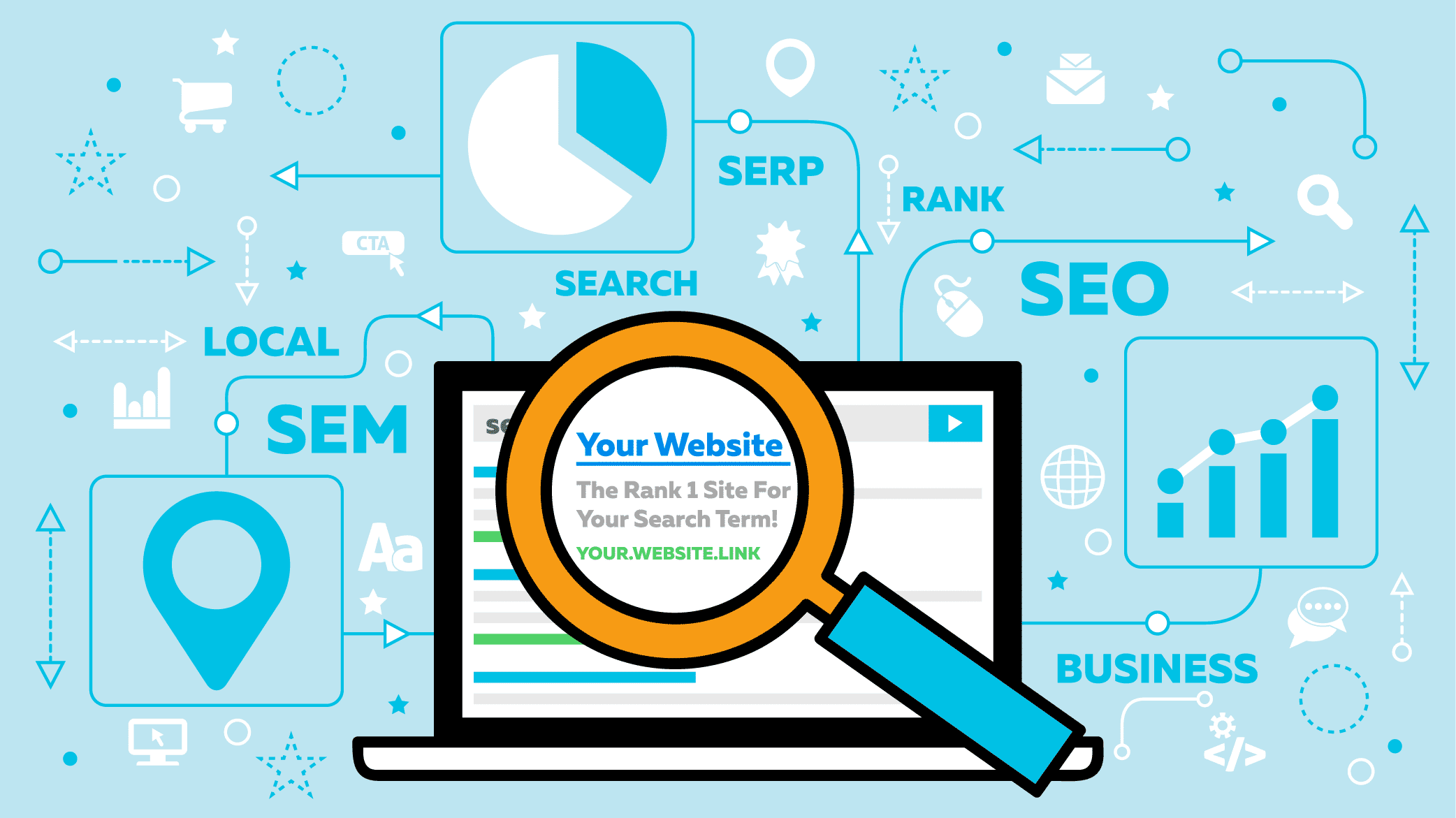
Increasing organic traffic is one of the most valuable goals for any website owner, blogger, or online business. Unlike paid ads, organic traffic delivers long-term results, builds trust, and attracts users who are actively searching for what you offer. However, with constant algorithm updates and rising competition, learning how to increase organic traffic effectively requires a strategic and holistic approach.
The first effort of most website and business owners is to listen to Youtube videos and podcasts, and even delve into exquisite SEO eBooks to unravel the organic traffic enigma. But today, I will try my best to condense this long-form knowledge into a simple and concise blog post.
In this post, you’ll discover proven methods to increase organic traffic using SEO best practices, content optimization, technical improvements, and user-focused strategies that work today—and continue working in the future.
What Is Organic Traffic and Why Does It Matter?
Organic traffic refers to visitors who land on your website through unpaid search engine results. These users find your site by typing a query into Google, Bing, or another search engine and clicking on a non-sponsored listing.
Why organic traffic is critical:
- It’s cost-effective compared to paid advertising
- It builds authority and trust over time
- It delivers high-intent visitors
- It compounds, meaning results improve with consistency
If your goal is sustainable online growth, learning how to increase organic traffic should be a top priority.
How Search Engines Decide Who Ranks
Before diving into tactics, it’s important to understand how search engines work. Google uses hundreds of ranking factors, but they all center around three main principles:
- Relevance – Does your content match the user’s search intent?
- Authority – Is your website trusted and referenced by others?
- User Experience – Is your site fast, easy to use, and helpful?
First, relevance matters most. Search engines analyze your content to determine whether it closely matches the user’s search intent. This includes keyword usage, topic depth, headings, and how well the page answers the query.
Second, authority plays a major role. Pages earn authority through high-quality backlinks, brand mentions, and overall domain credibility. The more trusted your site is, the more likely it is to rank.
Finally, user experience influences rankings. Factors like page speed, mobile-friendliness, engagement metrics, and site structure help search engines decide which results provide the best experience for users.
Together, these signals help search engines rank the most helpful and reliable content at the top. Every strategy to increase organic traffic should align with these principles.
Keyword Research: The Foundation of Organic Traffic Growth
Keyword research is the backbone of any successful strategy to increase organic traffic. Without understanding what your audience is searching for, even the most well-written content can fail to rank or attract the right visitors. Keyword research ensures your content aligns with real user demand, search intent, and ranking opportunities.
At its core, keyword research is the process of discovering, analyzing, and selecting search terms that people type into search engines when looking for information, products, or solutions. When done correctly, it allows you to create content that search engines want to rank—and users want to read.
You can’t increase organic traffic without targeting the right keywords. Keyword research helps you understand what your audience is searching for and how competitive those terms are.
How to choose the right keywords:
- Focus on search intent, not just volume
- Use a mix of short-tail and long-tail keywords
- Analyze competitor rankings
- Target keywords you can realistically rank for
Your primary keyword, increase organic traffic, should appear naturally throughout your content—especially in headings, introductions, and conclusions.
Create High-Quality Content That Ranks and Converts
Content remains the most powerful way to increase organic traffic. Search engines reward pages that provide value, answer questions thoroughly, and keep users engaged.
Creating high-quality content is the cornerstone of any strategy designed to increase organic traffic. Search engines prioritize content that delivers real value, while users reward clarity, usefulness, and relevance with longer engagement and conversions. To rank well and convert readers, your content must satisfy both algorithms and human intent.
Characteristics of high-ranking content:
- Comprehensive and in-depth
- Well-structured with headings
- Easy to read and scannable
- Updated regularly
- Optimized for both users and search engines
Long-form content (1,500–2,500 words) tends to perform especially well because it covers topics more completely and attracts backlinks.
Optimize Content for Search Intent
Optimizing content for search intent means creating pages that closely match what users are actually looking for when they type a query into a search engine. Instead of focusing only on keywords, you must understand whether the user wants information, a comparison, a solution, or to take action.
To increase organic traffic, your content must match what users actually want when they search.
Common types of search intent:
- Informational – “How to increase organic traffic”
- Navigational – Searching for a specific brand or site
- Transactional – Ready to buy or download
- Commercial investigation – Comparing options
If someone searches “increase organic traffic,” they are usually looking for step-by-step guidance, not a sales page. Your article should educate first and sell second.
On-Page SEO Techniques That Drive Traffic
On-page SEO plays a critical role in helping search engines understand your content and decide where it should rank. When implemented correctly, on-page SEO can significantly increase organic traffic by improving relevance, readability, and user experience.
Key on-page elements to optimize:
- Title tag with your primary keyword
- Meta description that encourages clicks
- H1 and H2 headings with keyword variations
- Short, clean URLs
- Internal links to related content
Strategic internal linking improves crawlability and helps distribute authority across your site.
The Power of Internal Linking
Internal linking is one of the most overlooked yet powerful SEO strategies to increase organic traffic. An internal link connects one page of your website to another, helping both users and search engines better understand your site’s structure and content relationships.
From an SEO perspective, internal links help search engines crawl and index your pages more efficiently. They also distribute link equity (ranking power) across your site, allowing important pages to rank higher in search results.
Best practices:
- Link to relevant articles naturally
- Use descriptive anchor text
- Avoid over-optimization
- Keep users engaged longer
When done correctly, internal linking strengthens topical authority and signals which pages matter most.
Technical SEO: The Hidden Driver of Organic Traffic
Technical SEO is the backbone of every successful SEO strategy. While content and backlinks often get the spotlight, technical SEO works quietly in the background—ensuring search engines can crawl, index, and rank your website efficiently.
Without a solid technical foundation, even the best content may never reach its full potential. If your goal is to increase organic traffic, technical SEO is not optional—it’s essential.
Technical factors that impact organic traffic:
- Page speed and performance
- Mobile responsiveness
- Secure HTTPS connection
- Clean site architecture
- Proper indexing
Improving technical SEO can result in instant gains in rankings and visibility.
Improve Page Speed to Increase Organic Traffic
Page speed is a critical ranking factor and a major driver of user satisfaction. If your site loads slowly, visitors leave—and search engines take notice. Improving page speed is one of the fastest, most reliable ways to increase organic traffic because it directly impacts rankings, engagement, and conversions.
How to speed up your site:
- Compress images
- Use browser caching
- Minimize scripts
- Choose quality hosting
Even a one-second improvement can significantly increase organic traffic and engagement.
Mobile Optimization Is No Longer Optional
Mobile optimization is essential for anyone who wants to increase organic traffic. With the majority of searches now happening on smartphones and tablets, search engines prioritize mobile-friendly websites when determining rankings.
If your site doesn’t perform well on mobile devices, you risk lower visibility, higher bounce rates, and lost conversions. Google uses mobile-first indexing, meaning your mobile site is the primary version evaluated for rankings.
To increase organic traffic:
- Use responsive design
- Ensure text is readable on small screens
- Avoid intrusive popups
- Optimize touch navigation
If your site isn’t mobile-friendly, you’re losing traffic—period.
Build Backlinks That Boost Authority
Backlinks, also known as inbound links, are links from other websites pointing to your content. They are one of the most powerful factors search engines use to determine a website’s authority and relevance.
High-quality backlinks tell Google and other search engines that your content is trustworthy, valuable, and worth ranking higher. When done correctly, backlinks can significantly increase organic traffic by improving your site’s visibility in search results.
Backlinks are still one of the strongest ranking factors. When reputable websites link to your content, search engines see it as a vote of confidence.
Effective backlink strategies:
- Guest blogging
- Creating shareable resources
- Publishing original research
- Outreach to industry blogs
- Digital PR
Quality always beats quantity when it comes to backlinks.
Content Refreshing: A Fast Way to Increase Organic Traffic
One of the fastest and most cost-effective ways to increase organic traffic is content refreshing. Instead of creating entirely new articles, updating your existing content can breathe new life into pages that already have some authority.
Google rewards pages that are relevant, accurate, and up-to-date, making refreshing content a smart strategy for both SEO and user experience. You don’t always need new content. Updating existing pages can produce quick wins.
What to update:
- Outdated statistics
- Old screenshots
- Broken links
- Thin sections
Refreshing content helps maintain rankings and often leads to traffic spikes.
Optimize for Featured Snippets and SERP Features
Optimizing Your Website for Featured Snippets and SERP Features teaches you how to capture prime real estate on Google’s search results. By structuring content to answer questions clearly, using bullet points, tables, and concise summaries, you can increase visibility, attract more clicks, and drive targeted organic traffic.
Featured snippets can dramatically increase organic traffic by placing your content at the top of search results.
How to optimize for snippets:
- Use clear headings
- Answer questions directly
- Include bullet lists and tables
- Keep answers concise
Ranking in position zero can outperform even the #1 result.
User Experience and Engagement Signals
User Experience and Engagement Signals refer to how visitors interact with your website, providing insights into the quality and relevance of your content. Key indicators include time on page, bounce rate, pages per session, and click-through rates.
Positive engagement signals show search engines that your site satisfies user intent, which can boost rankings and organic traffic. Key engagement metrics include:
- Time on page
- Bounce rate
- Pages per session
To increase organic traffic long-term, focus on improving usability, readability, and value.
Leverage Analytics to Guide Your Strategy
Using analytics is essential to understanding how your website performs and where your opportunities lie. By tracking metrics such as top-performing pages and keyword rankings, you gain actionable insights to refine your content, improve SEO, and enhance user experience.
Analytics allows you to identify what’s working and make data-driven decisions that directly increase organic traffic. Essentially, it transforms guesswork into strategy, helping you prioritize efforts that deliver measurable results.
You should track:
- Top-performing pages
- Keyword rankings
- Traffic sources
- Conversion paths
Analytics help you refine what’s working and fix what isn’t.
Avoid Common Mistakes That Kill Organic Traffic
Avoiding common mistakes is crucial if you want to increase organic traffic effectively. Many website owners unknowingly undermine their SEO efforts by committing errors that search engines penalize or that drive users away.
By recognizing and correcting these mistakes, you protect your site from ranking drops and ensure that your strategies to increase organic traffic deliver real, lasting results.
Common SEO mistakes:
- Keyword stuffing
- Thin or duplicate content
- Ignoring technical SEO
- Buying low-quality backlinks
- Not updating old content
Avoiding these pitfalls is just as important as implementing best practices.
How Long Does It Take to Increase Organic Traffic?
Increasing organic traffic is not an overnight process. Unlike paid advertising, which can generate instant clicks, organic traffic depends on search engines recognizing your content as valuable, relevant, and trustworthy.
Organic traffic growth takes time. In most cases:
- 3–6 months for noticeable improvements
- 6–12 months for strong momentum
- Ongoing effort for sustained results
SEO is a long-term investment—but one with the highest ROI.
Final Thoughts: Build a System, Not Just Rankings
To truly increase organic traffic, you must think beyond individual tactics. SEO works best when content, technical optimization, user experience, and authority-building all work together.
By focusing on value-driven content, consistent optimization, and user intent, you can build a reliable stream of organic visitors that grows month after month.
Whether you’re just starting or refining an existing strategy, the principles outlined in this guide provide a proven roadmap to sustainable organic traffic growth.























2 Comments